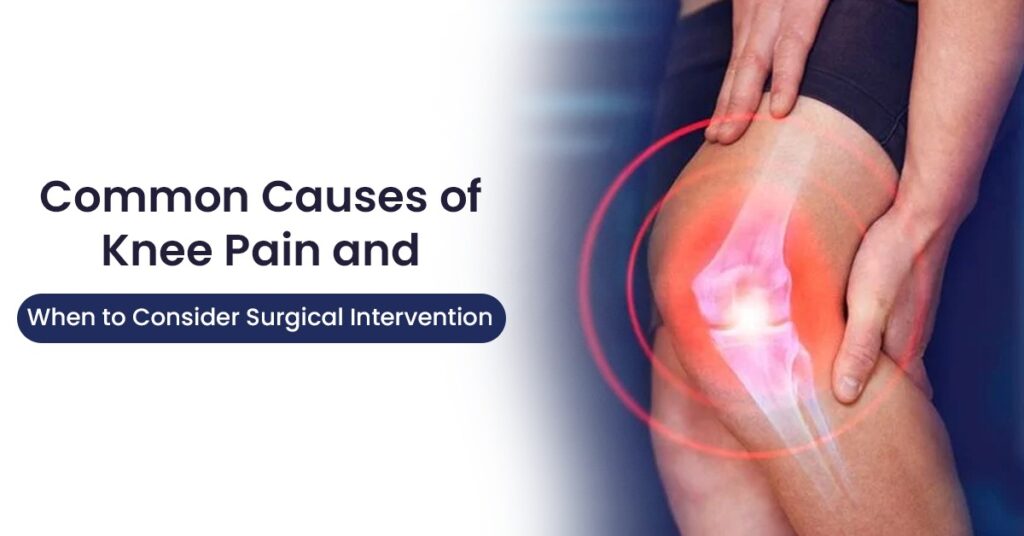
Knee pain is a widespread complaint that can affect people of all ages, impacting mobility, daily activities, and quality of life. Understanding the common causes of knee pain and recognizing when it might be time to consider surgical options are key steps toward effective treatment.
This article explores typical conditions leading to knee pain such as osteoarthritis, injuries, and other disorders, outlines symptoms to watch for, and discusses when conservative therapy is sufficient and when surgical intervention like total knee replacement is appropriate.
Common Causes of Knee Pain
1. Osteoarthritis (OA)
There are several Knee pain causes that affect people across different age groups, including osteoarthritis, injuries, mechanical issues, and systemic conditions. It involves the gradual wear and tear of the cartilage that cushions the bones in the joint. As cartilage deteriorates:
- The joint experiences increased friction
- Patients may feel stiffness, swelling, and pain during activity
- Movement can become limited
OA pain typically worsens with prolonged use and improves with rest but can become persistent over time.
2. Injuries
Various injuries can cause acute or chronic knee pain, including:
- Ligament tears: The anterior cruciate ligament (ACL) or medial collateral ligament (MCL) can be sprained or torn during sports or accidents, leading to pain, swelling, and instability.
- Meniscus tears: The meniscus acts as a shock absorber. Sudden twisting injuries or degeneration in older adults can cause tears, resulting in pain, swelling, and catching sensations.
- Tendonitis: Overuse can inflame tendons, causing pain and swelling—commonly seen in athletes (“jumper’s knee”).
- Bursitis: Inflammation of bursae, the fluid-filled sacs cushioning the knee joint, especially from repetitive kneeling.
3. Mechanical and Alignment Issues
Sometimes, knee pain arises from how the knee or surrounding joints function:
- Dislocated kneecap: The patella slips out of place, causing immediate pain and visible deformity.
- Loose bodies: Small pieces of bone or cartilage can break off and interfere with joint movement.
- Iliotibial band syndrome: Tightness of the band running along the thigh can cause outer knee pain, especially in runners and cyclists.
4. Inflammatory and Systemic Conditions
- Rheumatoid arthritis knee pain is a result of this autoimmune disease, which causes chronic joint inflammation and progressive damage if untreated.
- Gout and pseudogout: Crystal-induced inflammation resulting in sudden, severe pain, redness, and swelling.
- Infections: Septic arthritis causes acute pain, swelling, and requires urgent care.
Symptoms to Monitor
- Persistent or worsening pain affecting daily activities
- Swelling, redness, or warmth around the knee
- Joint instability or a feeling of the knee “giving way”
- Difficulty bending or straightening the leg fully
- Audible “popping” or a catching sensation during movement
- Inability to bear weight or walk
These symptoms merit prompt medical evaluation.
When is Surgery Considered?
Most knee pain improves with conservative treatments such as physical therapy, medications, injections, and lifestyle changes. However, surgery may be necessary when:
- Severe pain persists despite months of non-surgical management
- Significant joint damage or deformity is present (common in advanced osteoarthritis)
- Loss of function or severe mobility limitations impact quality of life
- Recurrent instability or mechanical locking due to meniscus tears or loose bodies
- Inflammatory arthritis unresponsive to medical therapy
Common surgical procedures include:
- Arthroscopy: Minimally invasive surgery to repair meniscal tears or remove loose fragments.
- Ligament reconstruction: For major ligament injuries like ACL tears.
- Partial or total knee replacement: For advanced arthritis or severe joint damage.
Understanding Total Knee Replacement
Total knee replacement involves removing damaged bone and cartilage and replacing them with prosthetic components. It can significantly reduce pain, restore function, and improve life quality.
Modern techniques have made knee replacement surgery more accessible and affordable, with faster recovery options and excellent long-term outcomes.
Conclusion
Knee pain has many potential causes, from injuries to chronic diseases like osteoarthritis and rheumatoid arthritis. Early diagnosis and treatment are essential to prevent progression and maintain mobility. While many cases respond well to conservative management, certain symptoms and severity levels indicate the need for surgical intervention.
Consulting an orthopedic specialist can help determine the best treatment plan tailored to individual needs, whether it involves physical therapy, medication, or surgery like knee replacement. Understanding the balance between non-surgical and surgical options empowers patients to take an active role in their knee health.